





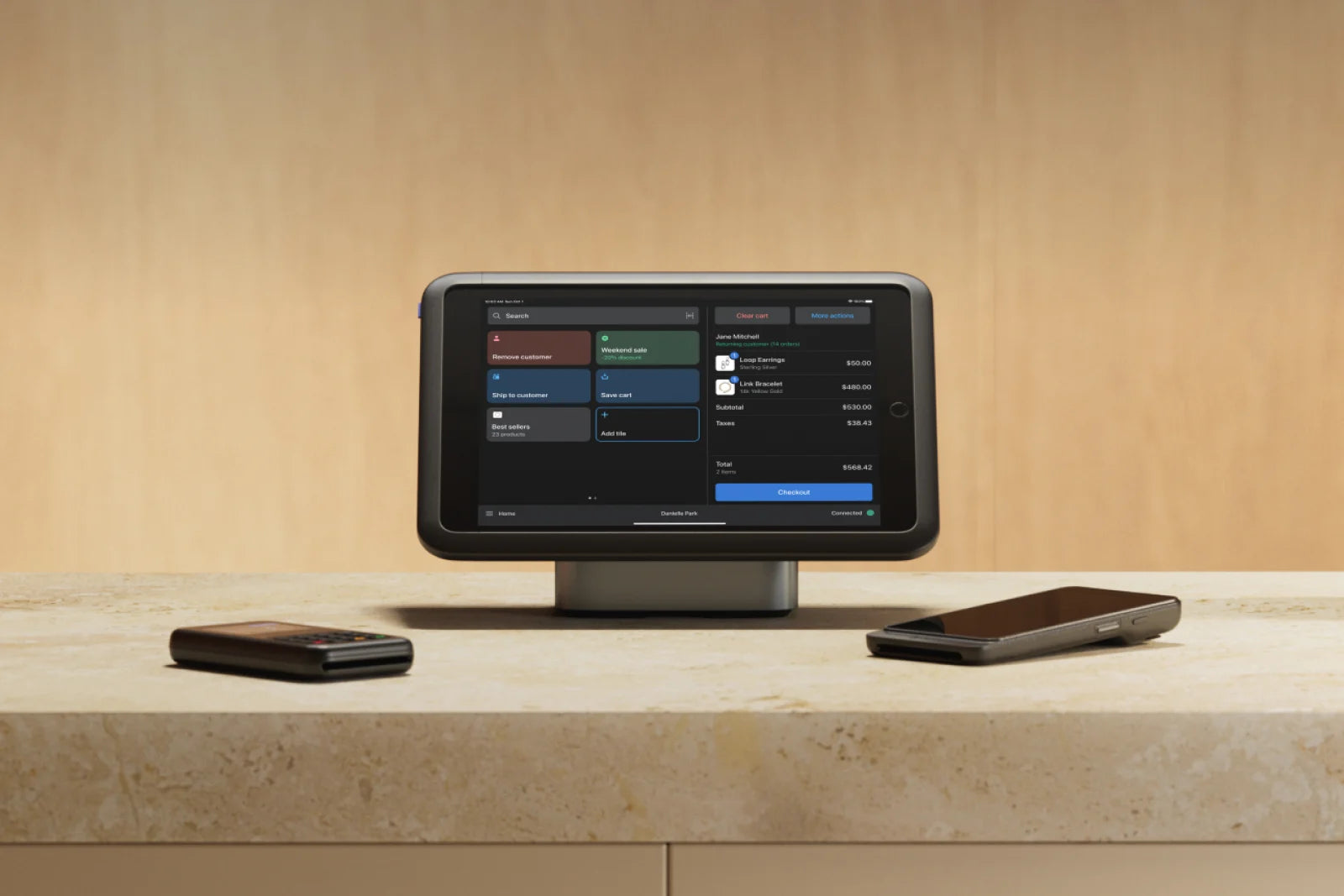



It depends on complexity. Standard migrations with straightforward integrations typically take 3-5 months. Enterprise environments involving ERP synchronization, B2B logic, multi-store architecture, or headless implementations run 6 months or more. The timeline is driven less by the storefront build and more by integrations, data validation, and risk mitigation.
Migration, Design & Build
Modernize Your Commerce Stack
Migrate to Shopify Plus through a structured migration designed to reduce total cost of ownership, simplify integrations, and protect operational continuity.


Why Migrate To Shopify
A Shopify Plus migration is an operational reconstruction. Not a theme swap. Not a data dump. A deliberate rebuild of how your commerce systems interact.
When executed correctly, it reduces system fragmentation, eliminates technical debt, and creates a more scalable commerce foundation.

Lower Total Cost of Ownership

Improve Performance & Deployment Agility

Eliminate Technical Debt

Build a Scalable Commerce Foundation
Building the Right Commerce Architecture
Shopify Plus migrations are where enterprise architecture decisions get made or inherited.
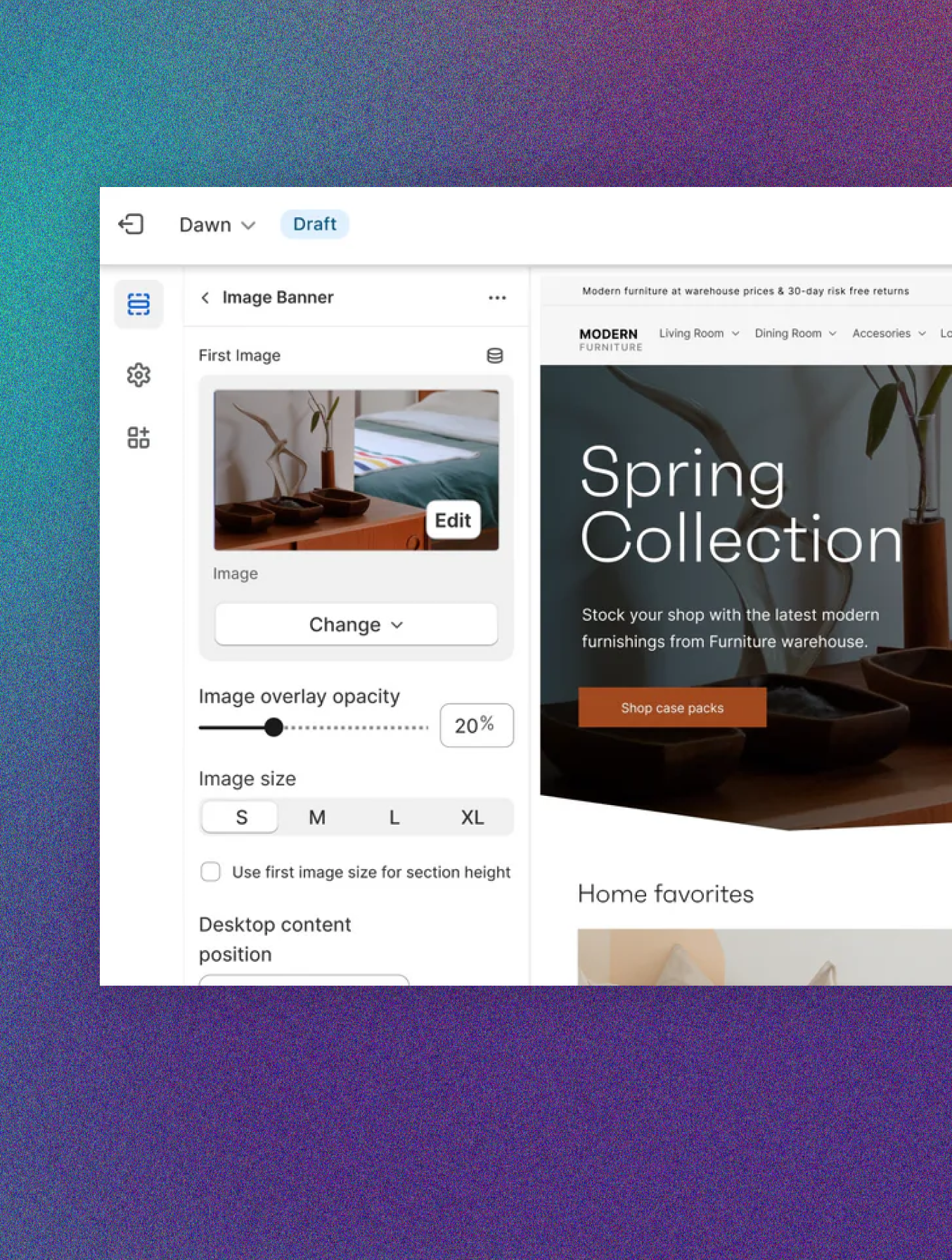

Enterprise Replatforming
Engineer high-traffic Shopify Plus migrations for performance stability, phased rollout strategies, and launch readiness during peak demand periods.
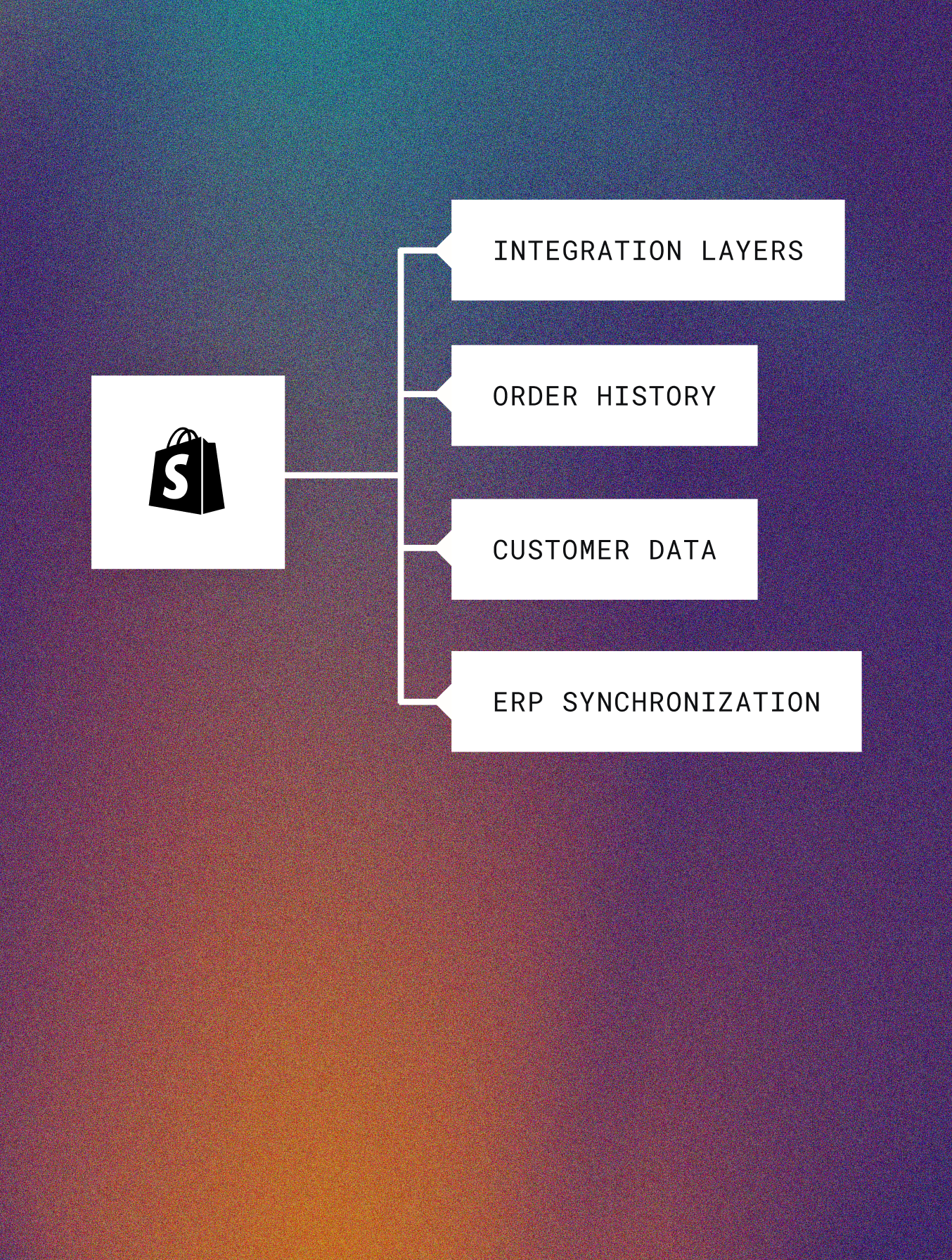

Data & System Consolidation
Map and validate customer data, order history, ERP synchronization, and integration layers to maintain operational continuity throughout migration.
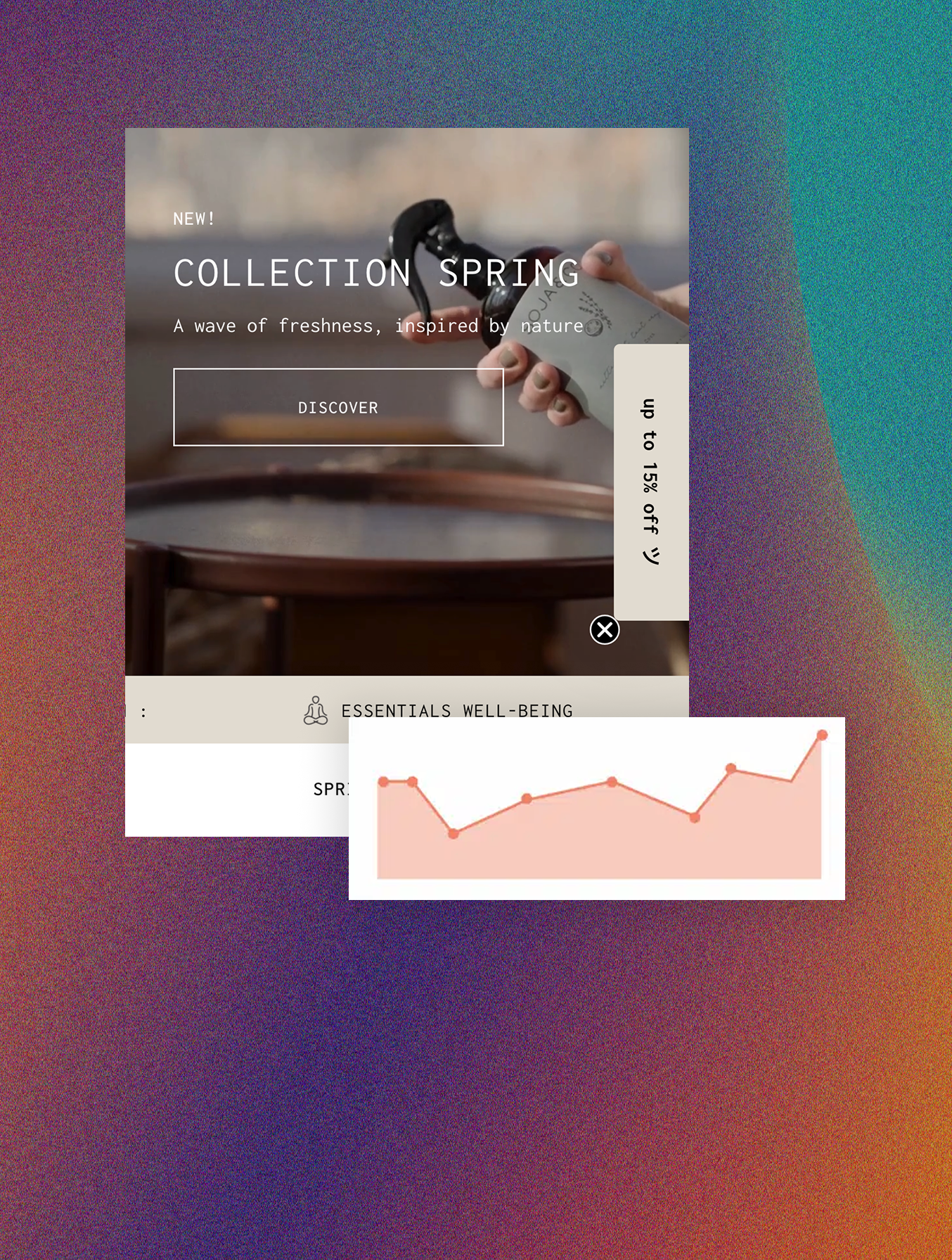

SEO Preservation & Performance Continuity
Protect organic visibility and site performance through structured redirect mapping, technical SEO audits, and performance benchmarking during platform transitions.
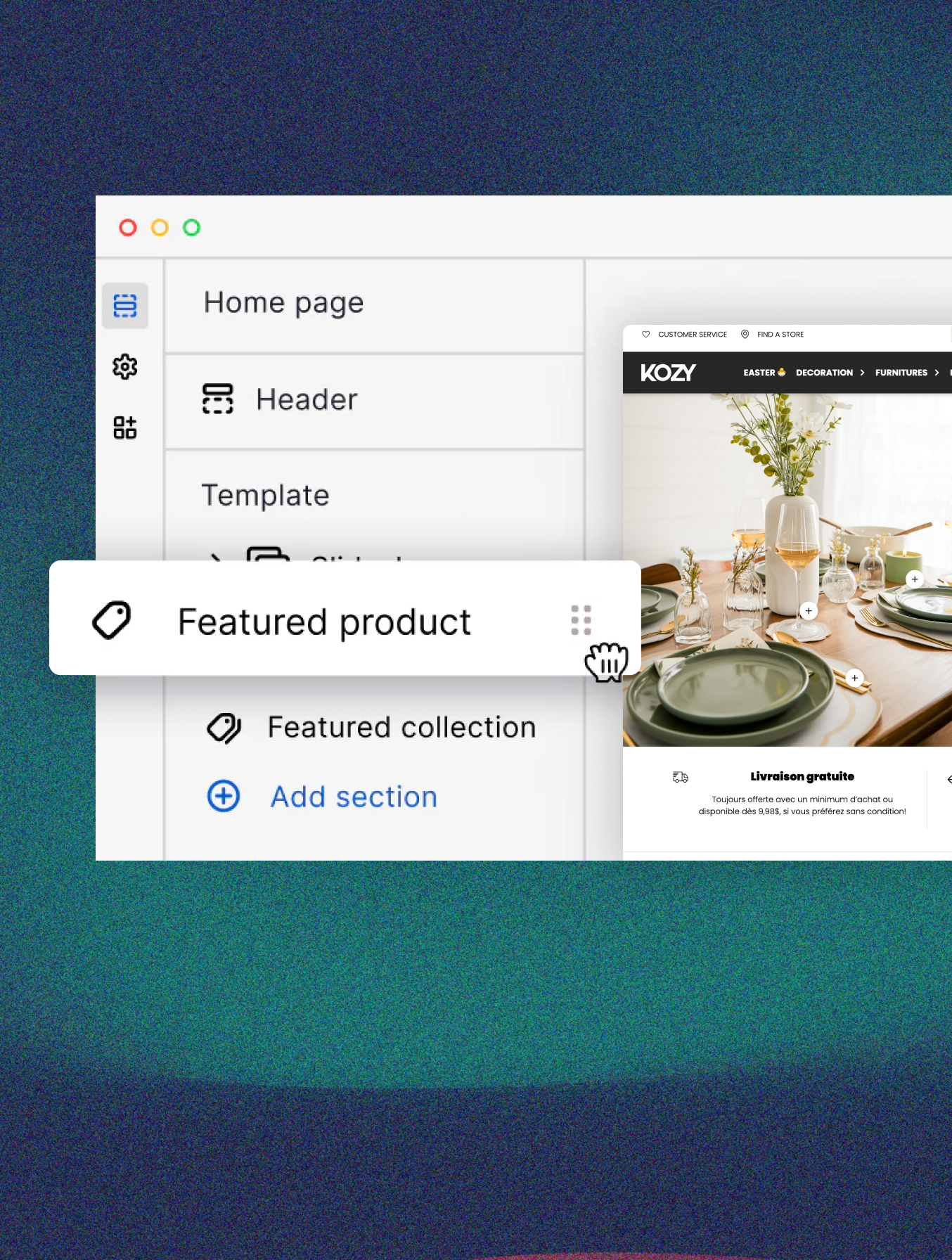

Shopify Plus Storefront Development
Launch scalable Shopify Plus storefronts designed to support seamless customer experiences while integrating with enterprise systems and operational workflows.
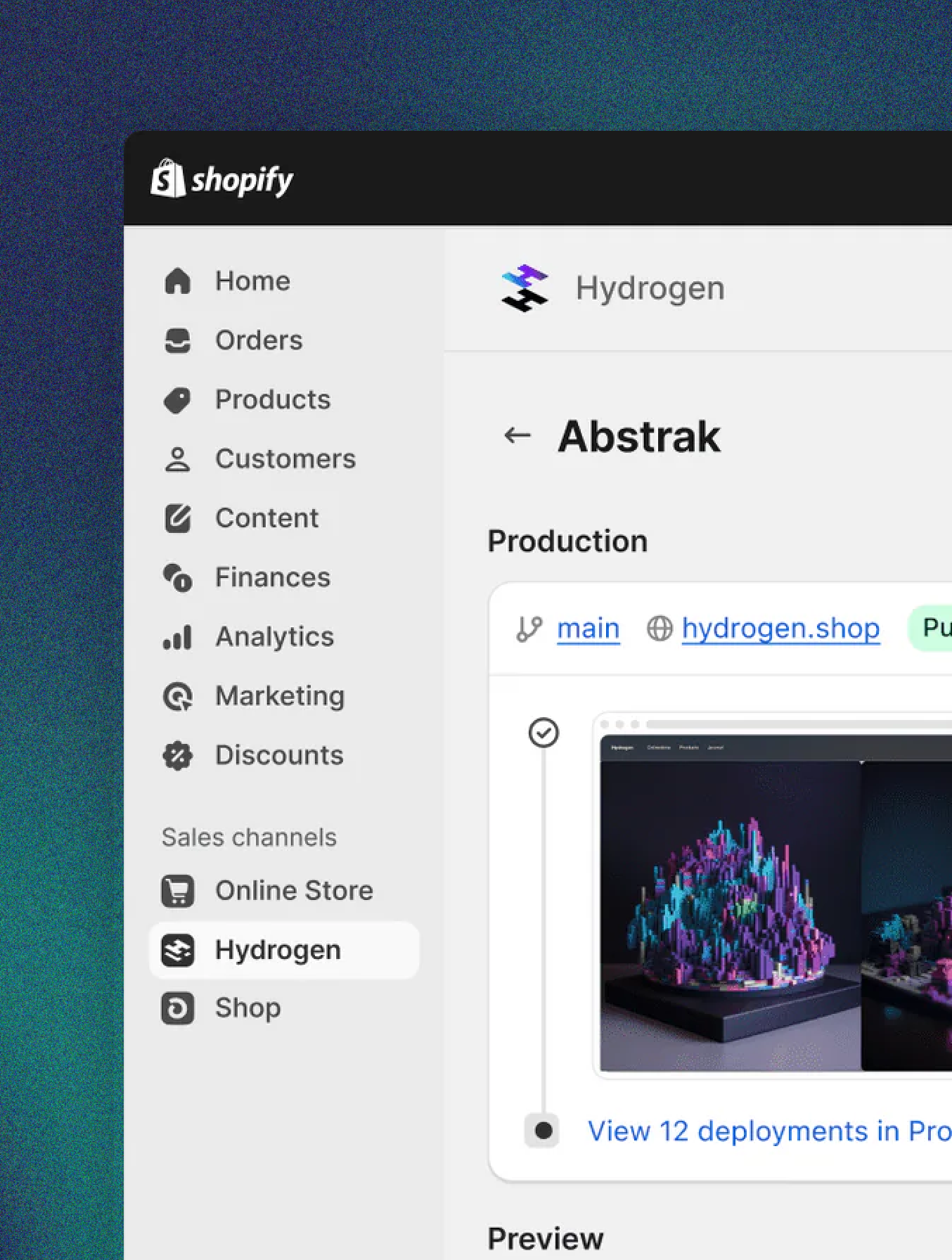

Headless & Hydrogen Implementations
Implement high-performance storefronts using Hydrogen or headless Shopify architecture when advanced customization, complex integrations, or greater frontend control are required.
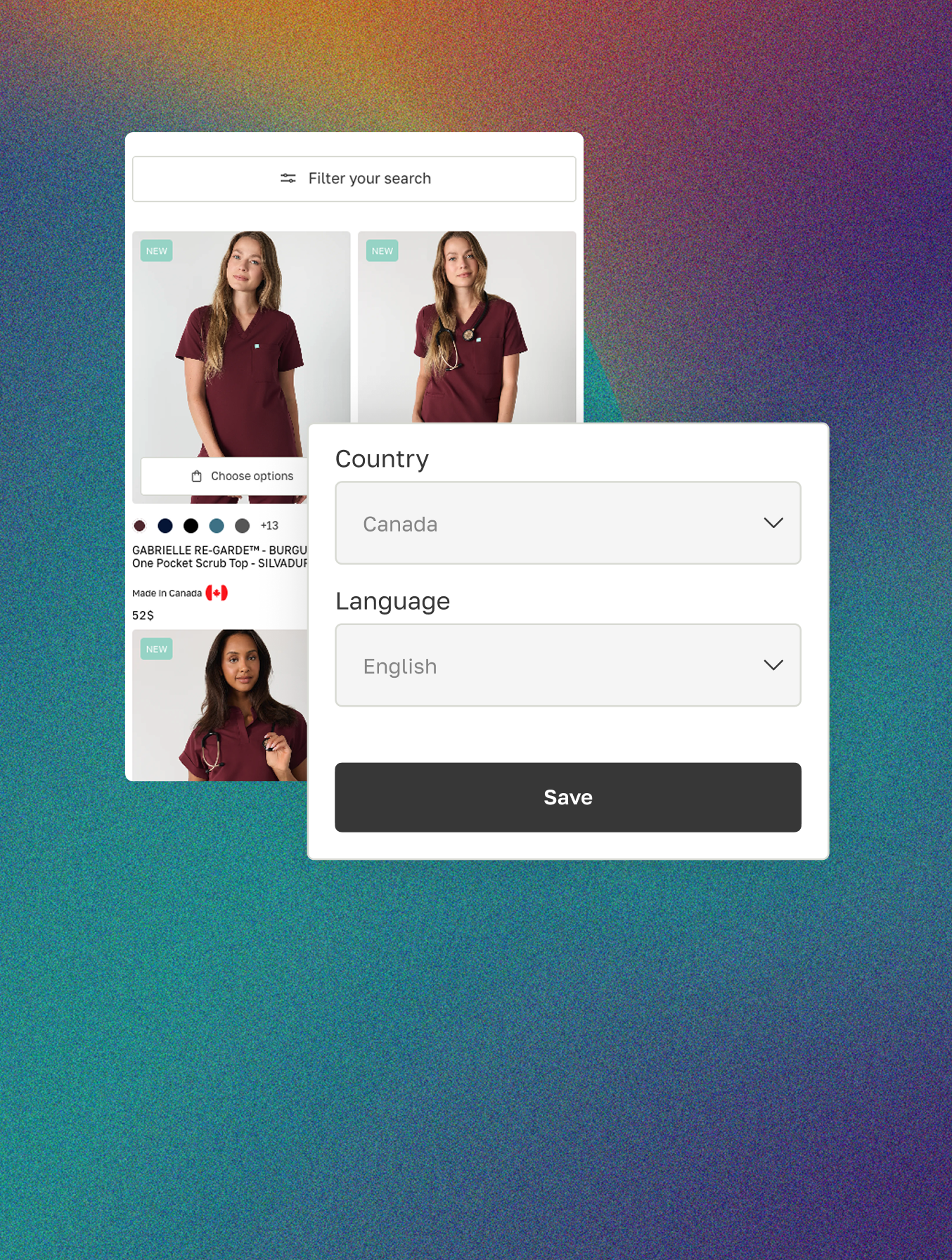

Internationalization & Multi-Store Architecture
Design Shopify Plus environments capable of supporting multiple regions, currencies, and storefronts while maintaining shared infrastructure and operational consistency.
Modular Theme Architecture
We design modular Shopify theme architectures that allow marketing and merchandising teams to manage storefront content without relying on constant development support. Instead of rigid page structures, modular components enable teams to update layouts, launch campaigns, and adjust merchandising quickly.
Our work can include:
- Customer journey mapping
- User experience wireframing
- Prototyping
- User interface design
- Design system development
- Modular component planning
- Responsive storefront design
The result is a storefront environment where teams can move quickly while maintaining strong governance across the experience layer. Modular theme frameworks support sustainable growth by reducing reliance on continuous development cycles and giving internal teams greater control over how the site evolves.
De-Risk Ecommerce Replatforming
Replatforming carries real risk. Revenue, SEO visibility, integrations, and operational workflows all depend on getting the transition right. That’s why we validate before we launch.
Our Shopify Plus migration framework includes:
- Technical audits before development begins
- Comprehensive redirect mapping and SEO validation
- Parallel data validation across ERP and commerce systems
- Controlled staging and launch environments
- Post-launch performance monitoring and stabilization
By deliberately sequencing integrations and testing real operational scenarios before launch, we reduce the likelihood of inventory discrepancies, payment errors, reporting inconsistencies, and downtime during peak demand.
Replatforming should be a strategic step forward, not a disruptive event.
Platform & System Integrations
We design and implement integrations across ERP, POS, OMS, CRM, WMS, LMS, payment providers, gift card providers, and custom middleware.We map it, build it, validate it before launch, and maintain operational continuity post-launch.

Oracle Netsuite

Dynamics 365 F&O

Salesforce

Acumatica

Sage

Givex
The Molsoft Method
Every Shopify Plus migration follows a defined execution framework designed to reduce risk and align commerce systems with operational workflows.

Discovery & Alignment

Architecture & Design

Build & Integration

Growth & Optimization
Select Migration Projects
Our Shopify Plus migration work spans multi-brand retailers, unified retail operations, and high-volume ecommerce environments requiring structural modernization.
Contact Us
Structure Your Migration With The Right Shopify Plus Migration Partner
If you are consolidating systems or preparing to replatform, define the right architecture before development begins.
Explore other expertise areas
Explore how we approach POS, B2B commerce, and integration architecture across the Shopify Plus ecosystem.
Migration, Design & Build FAQ
Not if it's planned properly. SEO loss occurs when redirect mapping and technical planning are treated as afterthoughts. We build URL mapping, metadata preservation, structured data configuration, and crawl validation into the migration framework from the start; it's not a last-minute add-on. Most of our clients maintain or improve organic visibility post-launch.
Magento/Adobe Commerce, Salesforce Commerce Cloud, WooCommerce, BigCommerce, custom-built platforms, and legacy retail systems. If you're running on it, we've probably migrated off of it.
Risk reduction begins before development.
Successful Shopify Plus migration includes:
- Technical architecture audits
- Integration mapping before build
- Parallel data validation
- Controlled staging environments
- Operational scenario testing
- Phased or structured launch planning
Enterprise replatforming fails when migration is treated as a design refresh. It succeeds when integration governance and operational continuity are prioritized.
Yes. Most clients use their Shopify Plus migration as an opportunity to modernize and improve the customer experience.
However, the redesign must be aligned with the architecture. Structural decisions — including navigation hierarchy, product modelling, B2B workflows, and multi-store logic — should be defined before visual execution.
In some cases, yes, using Shopify Markets or structured store governance. But it's not automatic. Consolidation depends on how you handle currency, tax jurisdictions, product segmentation, B2B logic, and regional fulfillment. We evaluate those dependencies before recommending whether to merge or maintain separate storefronts.
Platforms like Magento and Salesforce Commerce Cloud offer deep customization, but you pay for it with higher maintenance and infrastructure costs and slower release cycles. Shopify Plus trades some of that flexibility for a managed platform that doesn't need a dedicated team just to keep it stable. For most enterprise retailers, that tradeoff means faster time-to-market, lower operating costs, and fewer things that break at 2 AM on Black Friday.
Organizations typically migrate to Shopify Plus to reduce technical debt, modernize infrastructure, and consolidate commerce operations. Migration becomes a strategic priority when existing platforms begin to slow down the business rather than support it.
Common signals include:
- Infrastructure costs continue to increase
- Integrations are becoming unstable or difficult to maintain
- Release cycles are slowing due to platform complexity
- Retail and e-commerce systems remain disconnected
- B2B and DTC environments require unification
Shopify Plus addresses these challenges by providing enterprise-grade ecommerce capabilities without the infrastructure burden associated with traditional platforms.
Key benefits include:
- Managed hosting and security
- Scalable infrastructure
- Native multi-store and international support
- Integrated B2B functionality
- Retail and POS unification
- API extensibility for enterprise integrations
By removing the need to maintain core infrastructure, Shopify Plus allows organizations to focus on growth, operational performance, and delivering better customer experiences rather than managing platform complexity.
Retailers upgrade to Shopify Plus when operational scale exceeds the capabilities of standard Shopify plans or legacy systems.
Common triggers include:
- High transaction volume
- Complex integration requirements
- Multi-store or multi-region expansion
- B2B commerce needs
- Retail POS unification
Shopify Plus supports enterprise governance while maintaining deployment flexibility.
Yes. Shopify Plus migration from Magento, Adobe Commerce, WooCommerce, and other platforms is common.
Migration typically includes:
- Product and catalogue transfer
- Customer data migration
- Order history preservation
- Integration realignment
- SEO redirect mapping
Enterprise migration requires structured validation to ensure ERP synchronization, reporting accuracy, and operational continuity.
Custom-built commerce platforms often begin as tailored solutions but evolve into maintenance-heavy environments.
Over time, custom platforms require ongoing development for security updates, performance optimization, integration maintenance, and infrastructure stability. This increases the total cost of ownership and reduces agility.
Migrating to Shopify Plus allows organizations to leverage a managed enterprise commerce platform while maintaining flexibility through API-driven integrations and extensibility.
The goal is not to reduce customization, but to reduce structural fragility.