









Operating on a single commerce platform reduces integration complexity, improves data accuracy, and lowers total cost of ownership compared to maintaining disconnected systems. It also creates a more consistent operational model across store and digital channels. Instead of managing separate customer records, inventory logic, pricing structures, and reporting layers, retailers can operate with a more unified source of truth.
Retail & POS
Unify your retail experience
Consolidate POS and ecommerce onto Shopify’s unified commerce platform. Enterprise retail complexity rarely comes from one system alone. It comes from how disconnected systems create friction across stores, ecommerce, inventory, reporting, and customer experience.
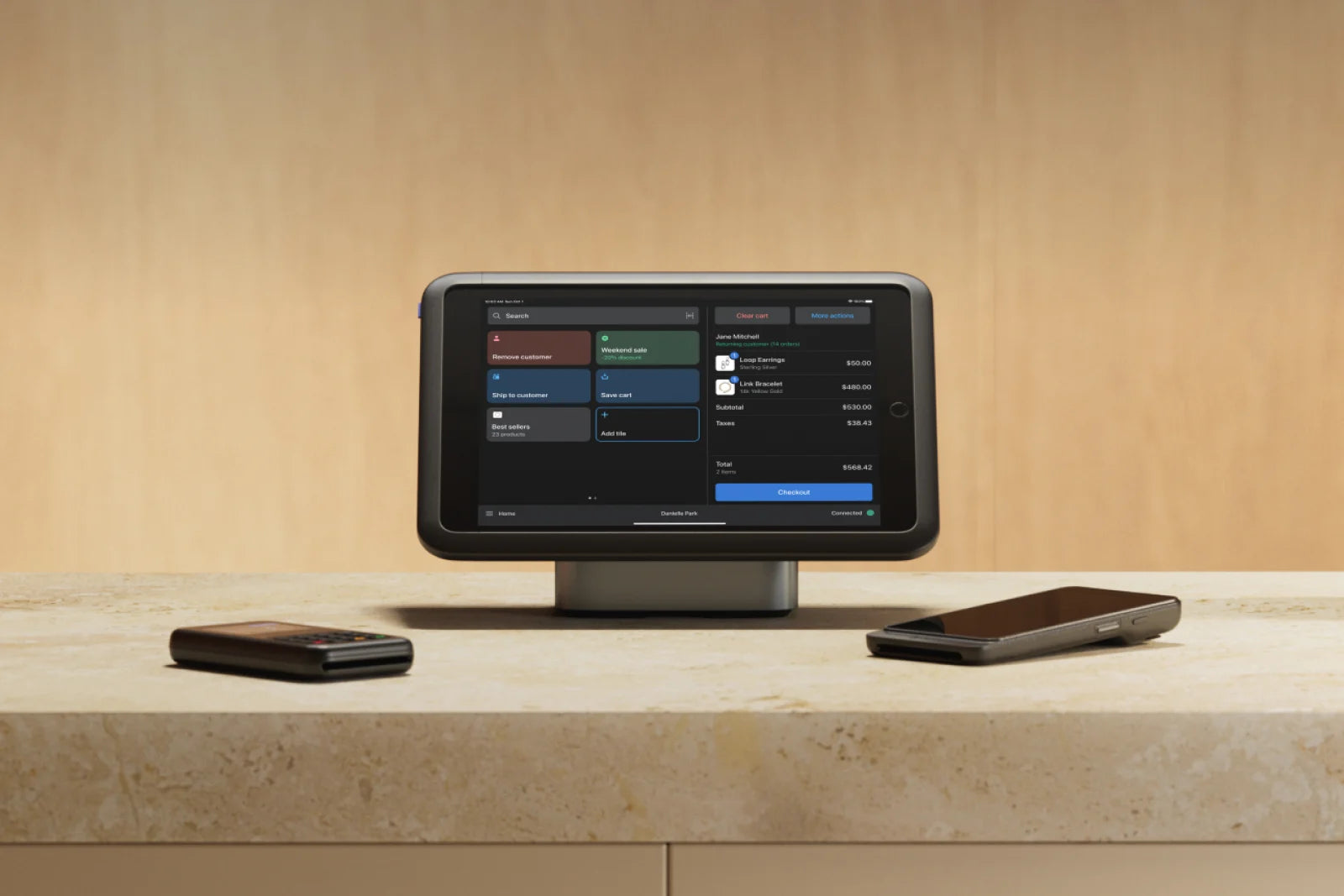

Why unified retail on Shopify
Shopify’s unified commerce model consolidates store and digital operations into a single platform. Instead of stitching systems together across multiple vendors, you operate from one source of truth.

Lower Total Cost of Ownership

Real-Time Operational Visibility

Eliminate System Sprawl

Scalable Multi-Location Growth
Building the Right Retail Architecture
Retail & POS deployment is an operational architecture initiative, not a hardware rollout. It defines how your stores, your ecommerce, and your back-office systems work together, not just which software gets installed.
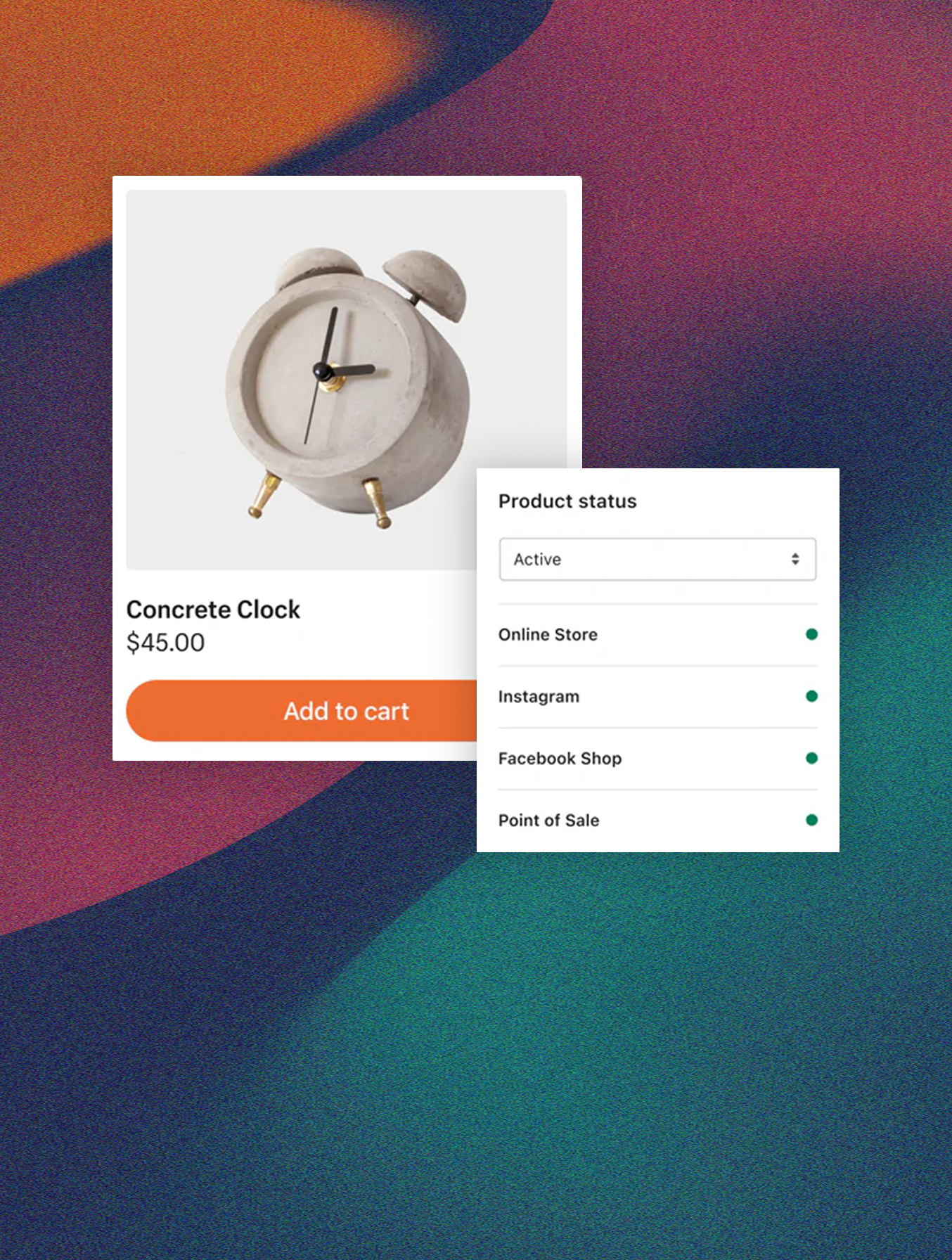

Unified Retail Architecture
Design retail environments that connect store operations, ecommerce, customer data, and back-office systems into a more coherent operating model.


Shopify POS Deployment
Implement Shopify POS for single-store and multi-location retailers with workflows configured to support faster checkout, clearer in-store processes, and stronger staff adoption.
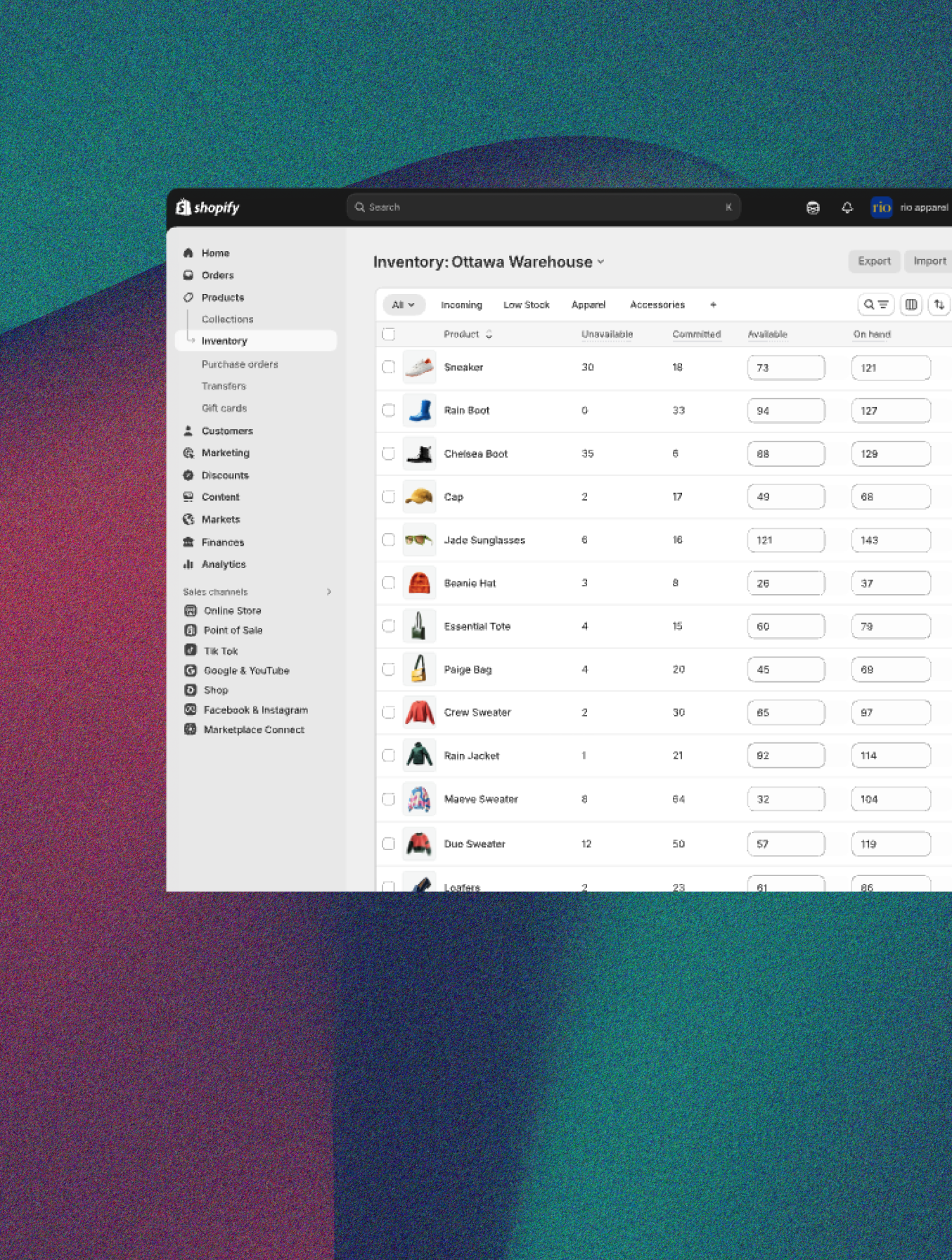

Inventory & Order Synchronization
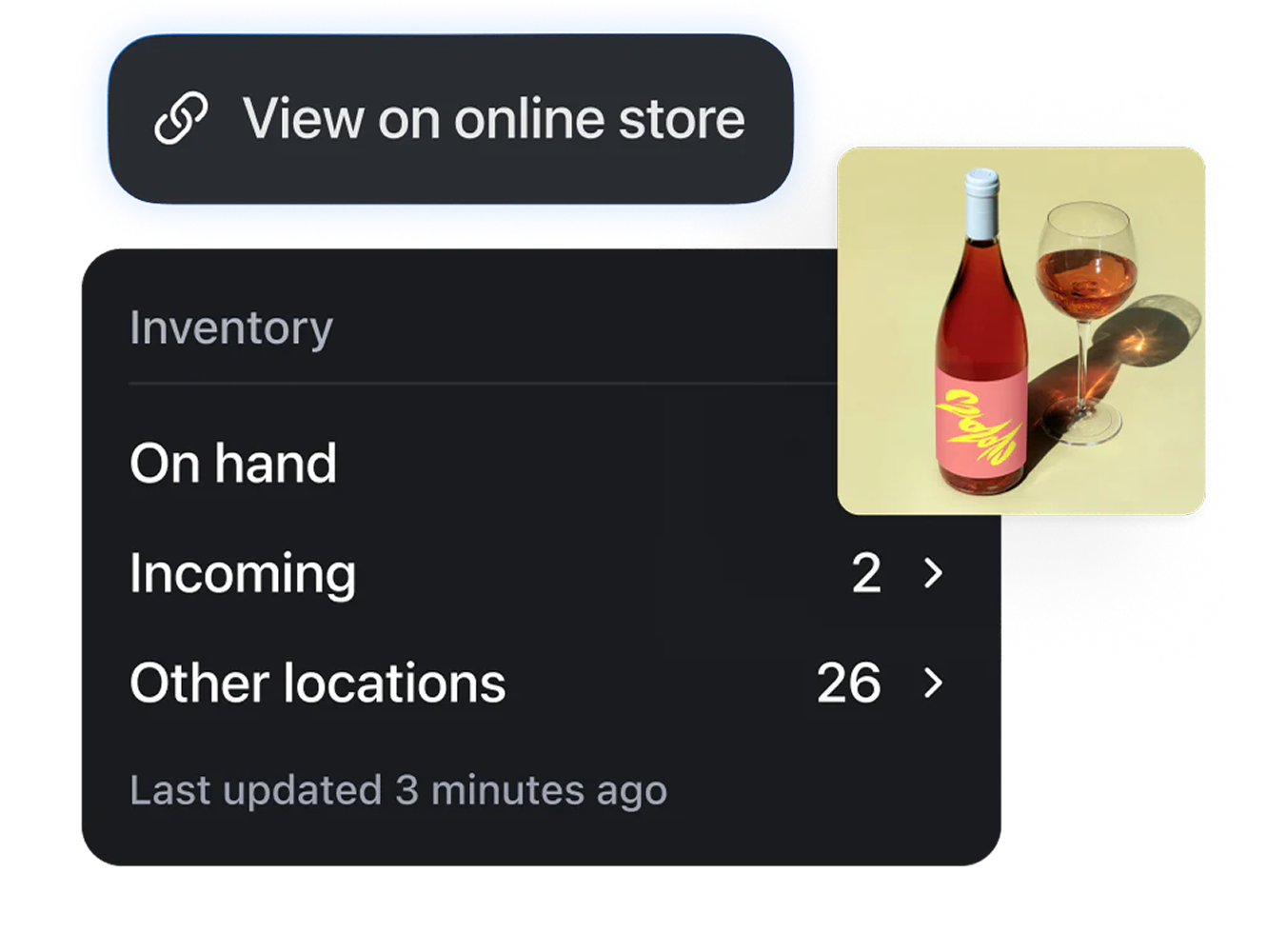
Align store and ecommerce inventory, order flows, and fulfillment logic to reduce overselling, stock discrepancies, and manual reconciliation across channels.
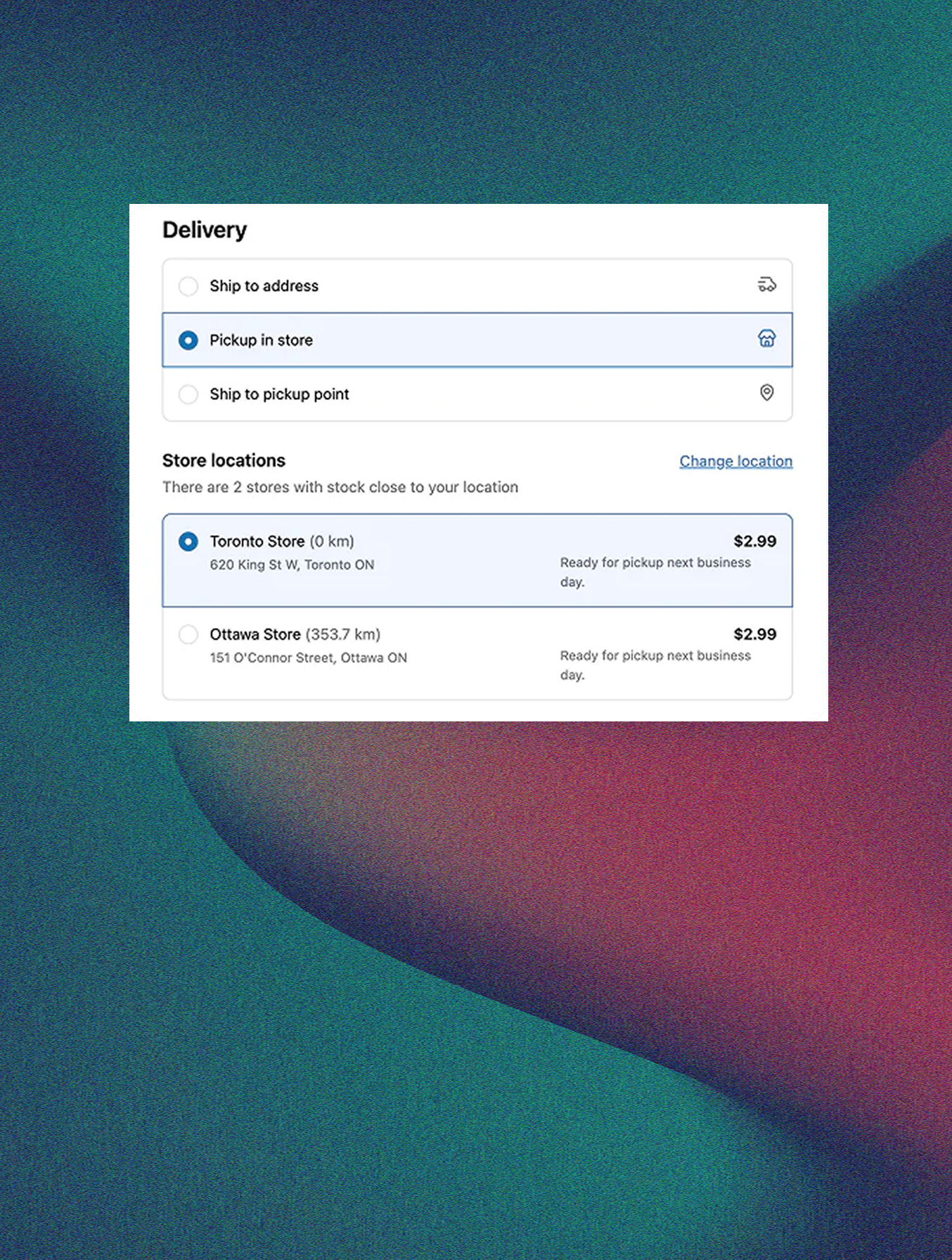

In-Store Pickup & Omnichannel Fulfillment
Support buy online, pick up in store, ship-from-store, endless aisle, and location-aware fulfillment through connected retail architecture.


Customer & Retail Data Unification
Create better visibility across customer profiles, transaction history, and cross-channel activity by reducing fragmentation between retail and ecommerce systems.
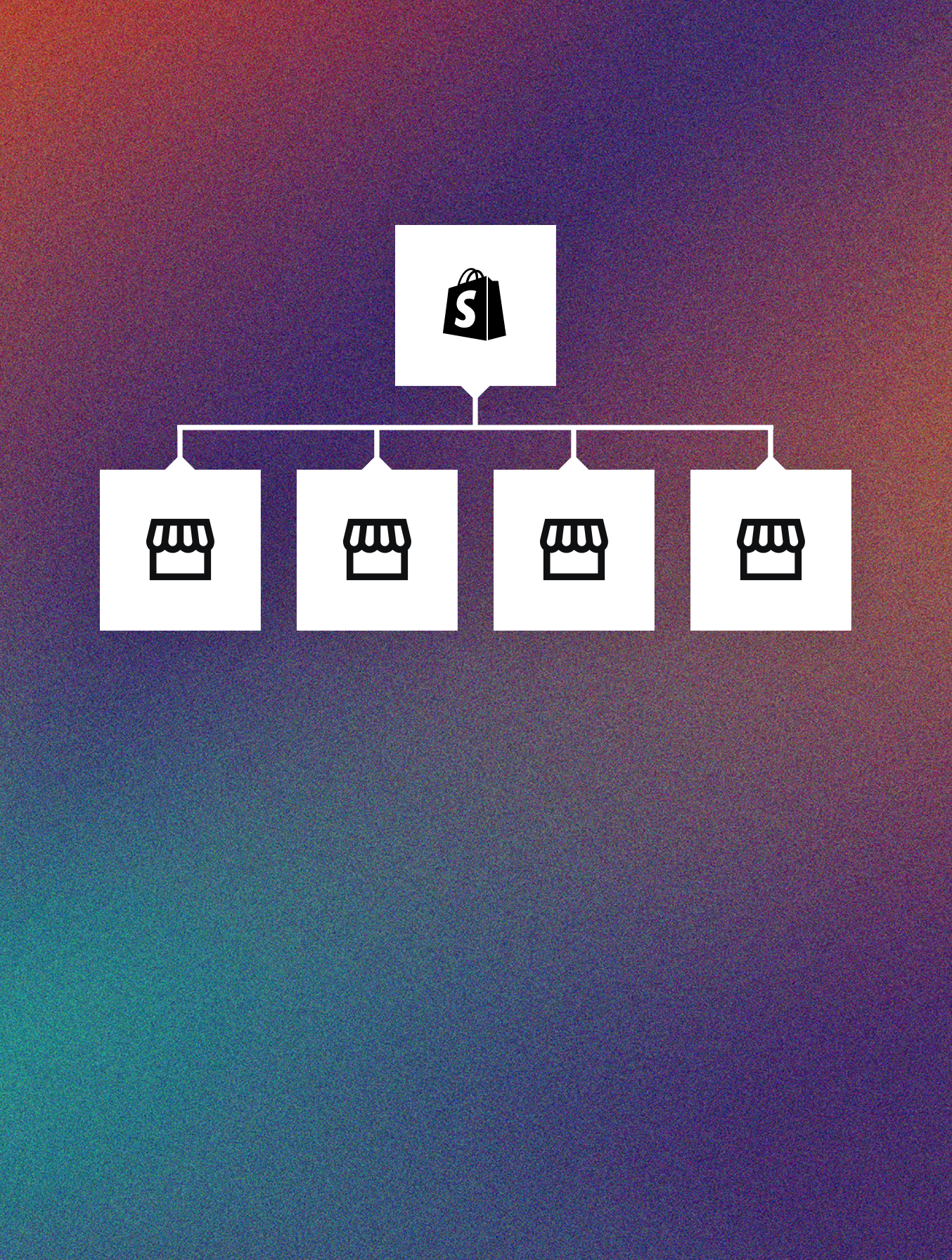

Multi-Location Retail Governance
Structure permissions, operational workflows, reporting logic, and system behaviour to support retail consistency across stores, regions, and growing location networks.
Retail System Consolidation Strategy
At a certain stage, operational complexity stops being driven by growth alone and starts being driven by the number of disconnected systems required to support it.
POS, ecommerce, customer accounts, inventory tools, reporting platforms, and back-office workflows often evolve separately over time. What starts as a workable stack becomes harder to manage. Data drifts between systems, manual workarounds multiply, and every new initiative introduces another dependency.
Retail consolidation is not about putting everything on one platform for the sake of simplification. It is about deciding which systems should remain, which should be replaced, and how data should move between them in a way that reduces friction rather than adding to it. The result is a retail environment with more reliable inventory, clearer reporting, and fewer operational inefficiencies.


Store Operations & POS Experience Design
Retail and POS deployment is not just a systems project. It is an in-store operations project.
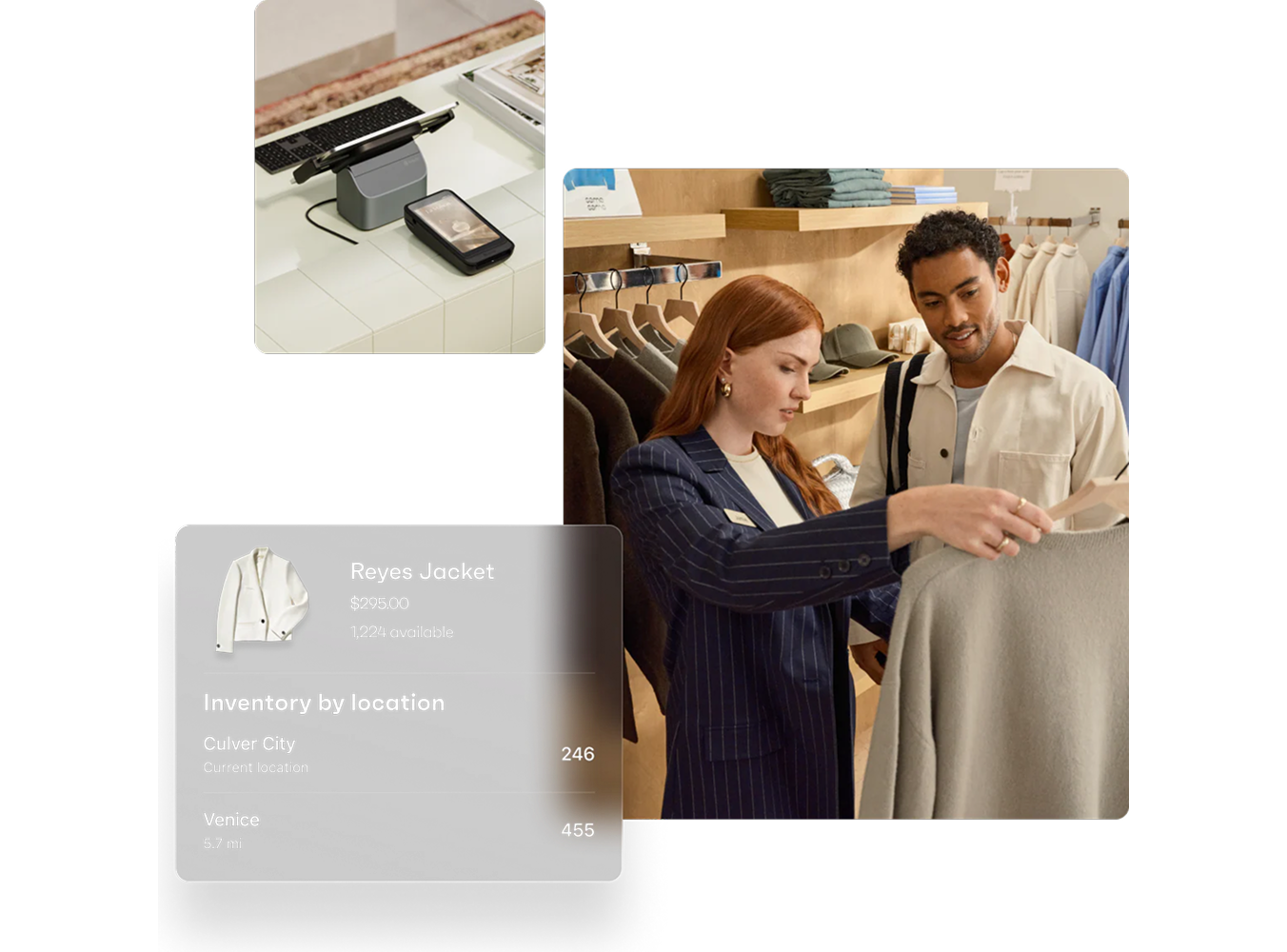
We design POS environments around real store workflows: product discovery, cart handling, customer lookup, omnichannel orders, discounts, returns, and permissions. We also provide on-site hardware installation and in-store staff training to support adoption at the store level.
The result is a faster, more intuitive POS experience for frontline teams and a more consistent operating model across locations.
Platform & System Integrations
We design and implement integrations across ERP, POS, OMS, CRM, WMS, LMS, payment providers, gift card providers, and custom middleware.We map it, build it, validate it before launch, and maintain operational continuity post-launch.

Oracle Netsuite

Dynamics 365 F&O

Salesforce

Acumatica

Sage

Givex
The Molsoft Method
Every retail deployment follows a defined execution framework to reduce risk and deliver a unified retail environment that works on day one.

Discovery & Alignment

Architecture & Design

Build & Integration

Growth & Optimization


Featured capability
Restaurant & Food-Service POS on Shopify
We build restaurant, café, and bar operations directly on Shopify POS — no separate system, no third platform to reconcile. KitchenKit, our proprietary app, turns Shopify into a full restaurant point-of-sale with menu management, order customization, and a live kitchen display that keeps front-of-house and back-of-house in sync.
- Real-time kitchen prep view with order tracking and station-level visibility
- Menu architecture: categories, items, and modifier groups configured in Shopify admin
- Complex order handling — special requests, substitutions, and custom modifiers without manual workarounds
- Native Shopify POS integration — one system for inventory, payments, and reporting
- Single data layer across dine-in, takeout, and online orders
If you run a food-service operation and want one commerce platform instead of three, we should talk.
Selected Retail Projects
Contact Us
Structure Your Retail Environment With the Right Commerce Architecture
If your store, ecommerce, and operational systems are creating unnecessary complexity, the first step is defining the right retail architecture before rollout begins.
Explore other expertise areas
Explore how we approach migration, B2B commerce, and integration architecture across the Shopify Plus ecosystem.
Retail & POS FAQ
When store and ecommerce systems are better connected, inventory, customer, and order data become easier to interpret across channels. That reduces reporting friction, improves confidence in operational data, and helps teams make decisions without relying on manual reconciliation.
Yes, but success depends on architecture. Multi-location retail is not solved by simply adding locations in the platform and expecting operations to align automatically.
A structured multi-location retail environment typically requires:
- Inventory visibility across locations
- Store-level permissions and operational controls
- Fulfillment logic by region or location
- Reporting structures across physical and digital channels
- Governance for pricing, promotions, and customer experience consistency
Shopify can support multi-location retail effectively when the deployment is designed around operational reality rather than platform defaults.
Shopify POS can integrate with ERP platforms through middleware, prebuilt connectors, or custom integration layers, depending on the systems involved and the level of complexity required.
Typical integration scope includes:
- Product and catalog synchronization
- Inventory updates across store and warehouse environments
- Pricing and promotional logic
- Customer record synchronization
- Order flow and fulfillment status
- Financial and reporting data alignment
The more important question is not whether integration is possible, but how data ownership and synchronization logic are structured to avoid operational drift.
That depends on the role the current POS plays in your retail environment. In some cases, moving to Shopify POS creates meaningful simplification. In others, the better approach is a phased unification strategy where ecommerce and surrounding systems are aligned first while store operations transition more gradually.
The right path depends on current integrations, operational dependency, cost structure, and rollout risk.
Yes, but omnichannel workflows only perform well when the underlying architecture is properly structured.
That may include:
- Buy online, pick up in store
- Ship-from-store workflows
- Cross-location inventory visibility
- Endless aisle experiences
- Unified customer profiles
- Returns and exchanges across channels
These are not just features to activate. They depend on accurate inventory, structured fulfillment logic, store enablement, and disciplined system integration.
Risk reduction begins before rollout. Retail deployment should be validated against real operational conditions, not just technical requirements.
Our approach typically includes:
- Current-state architecture and workflow audits
- Integration mapping before implementation begins
- Data validation across commerce and operational systems
- POS configuration aligned to actual store workflows
- Testing across real checkout, return, fulfillment, and inventory scenarios
- Controlled rollout planning and post-launch stabilization
Retail & POS deployment fails when implementation is treated as a software setup exercise. It succeeds when operational continuity is built into the rollout plan from the start.
Not necessarily, but that depends on how deployment is sequenced. A structured implementation minimizes disruption by validating workflows before launch, introducing change in a controlled way, and avoiding unnecessary operational shock across store teams. For larger retail environments, phased rollouts are often the best way to protect continuity while still moving toward a unified architecture.
For many enterprise retailers, yes. The value is not that Shopify POS replicates every feature found in legacy retail systems. The value is that it aligns store and digital commerce within a more unified platform model. For organizations dealing with fragmented systems, slow change cycles, and inconsistent reporting, that tradeoff often creates better long-term agility and lower operational complexity.
We’ve worked with retailers operating on legacy POS environments, disconnected ecommerce platforms, custom integrations, and fragmented retail system stacks. The objective is not simply to replace tools. It is to define a more coherent retail architecture that improves performance, maintainability, and visibility across the business.
Usually, when fragmentation starts creating operational drag. Common signals include:
- Inventory mismatches between store and ecommerce
- Inconsistent customer data across channels
- Slow or unreliable reporting
- Growing integration and maintenance costs
- Weak omnichannel execution
- Difficulty scaling across locations
- Too many manual workarounds between systems
At that point, the issue is no longer just tooling. It is architecture.